Sri Lanka is one of those destinations that has it all in a small space: ancient temples, tropical jungle, tea-covered hills, wild elephants, and postcard-perfect beaches. The island has the ability to transform any traveler in just ten days. But to make the most of every moment—checking tuk-tuk routes, finding the perfect local restaurant, or sharing that sunset photo in Mirissa—you need a reliable and affordable data connection.
The good news is that Sri Lanka boasts a better telecommunications infrastructure than many expect. Major cities and the south coast have stable 4G LTE coverage, sufficient for remote work or seamless browsing. The challenge arises when venturing into the country's tea-producing mountains, where the signal can become erratic. Knowing this beforehand helps you plan your connectivity better.
In this guide, we explain everything you need to know about using the internet in Sri Lanka: local operators, how much data a typical 10-day trip consumes, what coverage to expect in each area, and why an eSIM is probably the smartest option for the modern Spanish-speaking traveler.

1. Internet coverage in Sri Lanka: what to expect
Sri Lanka has three major telecommunications operators: Dialog Axiata, Mobitel, and Hutch. Dialog is the operator with the widest geographical coverage and the most extensive 4G network in the country. Mobitel, a state-owned company, also has a good presence. 4G LTE coverage reaches most urban and tourist areas, while 3G or even 2G predominates in rural and mountainous areas.
In general terms, here's how signal quality is distributed in Sri Lanka:
- Colombo and metropolitan area: Excellent 4G LTE coverage. Speeds easily exceeding 20-40 Mbps in central areas.
- Galle and south coast (Mirissa, Unawatuna, Tangalle): Very good 4G coverage. The signal is stable and sufficient for video calls and streaming.
- Kandy and surroundings: Good 4G coverage in the city, somewhat more variable in nearby temples and mountain trails.
- Sigiriya and cultural area (Dambulla, Polonnaruwa): Acceptable coverage in towns and main attractions. In rural areas between these cities, there may be stretches with weak signal.
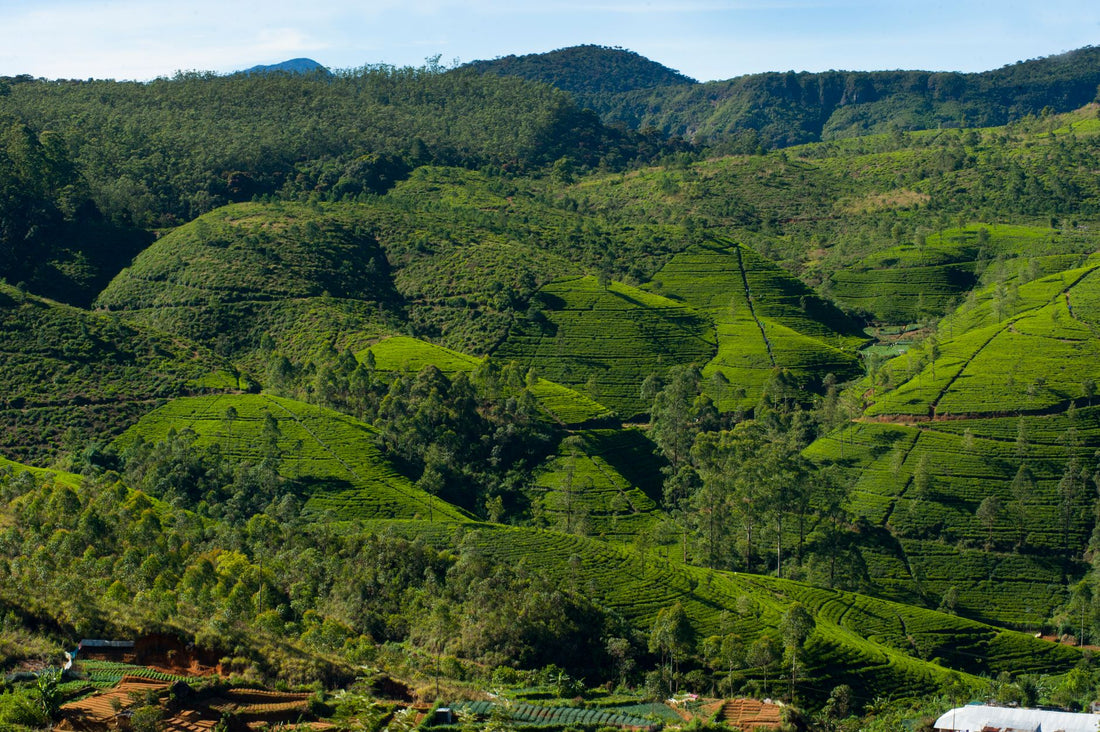
- Ella, Nuwara Eliya, and the tea country: Here, coverage becomes more erratic. In Ella town, there's usually a good signal, but on hiking trails between plantations and on scenic train rides, the connection can be intermittent. The same applies to Nuwara Eliya, where the mountainous topography makes signal difficult in many places.
- Yala and Wilpattu (national parks): Very limited or non-existent signal inside the parks. Download offline maps before entering.
An important observation: even where coverage exists, speed can vary significantly depending on the time of day. In crowded tourist areas at midday, the network can become congested. For a standard traveler, this is usually not a serious problem, but if you rely on the connection for work, it's good to know.
2. eSIM vs. local SIM: which is better?
This is the question every modern traveler asks when planning a trip to Sri Lanka. You have three main options: pay your home operator's roaming fees, buy a local SIM at the airport or a shop in Colombo, or activate an eSIM before you leave. Let's be direct about each.
International roaming: This is by far the most expensive option. Spanish and Latin American operators typically charge between 8 and 20 euros per day for data in Sri Lanka as part of their travel packages. For a 10-day trip, that translates to an extra 80 to 200 euros on your bill. Furthermore, many plans have speed or daily data limitations. It's not a recommended option except in emergencies.
Local SIM in Sri Lanka: This is a valid and relatively inexpensive option. At Bandaranaike International Airport (Colombo), there are Dialog and Mobitel stalls where you can buy a SIM with data for about 5-15 dollars for 10 days. The problem is that it involves physically changing the SIM card in your phone, which means you temporarily lose your home number (unless you have a dual SIM device), and the process at the airport can take time if there's a queue.
PuraSim eSIM: This is the most convenient option for the Spanish-speaking traveler. You buy it before leaving home, set it up in minutes from your phone, and when you land in Colombo, your phone automatically connects to the local network. You don't lose your number from Spain or your home country (they remain active on your physical SIM), you can receive calls and SMS from your bank without problems, and you don't have to look for any establishment or queue at the airport with your luggage.
The price difference between a local SIM and a PuraSim eSIM is minimal, but the difference in convenience is huge. For many travelers, not having to deal with the local SIM fully justifies choosing an eSIM.

3. How many GB do you need for your trip to Sri Lanka?
One of the most common questions is how much data to contract. The answer depends on your habits, but for a 10-day trip in Sri Lanka, we can give you a fairly accurate guide based on typical traveler consumption.
Estimated daily consumption for a standard traveler:
- Google Maps / Waze for getting around by tuk-tuk or bus: ~100-200 MB/day
- WhatsApp (messages, photos, some audio): ~50-100 MB/day
- Web browsing (looking for restaurants, tickets, information): ~100-150 MB/day
- Instagram or social media (viewing content, uploading some photos): ~200-400 MB/day
- Google Translate with camera (very useful in Sri Lanka): ~30-50 MB/day
With this usage profile, you'd be consuming between 500 MB and 1 GB per day. In 10 days, that totals between 5 and 10 GB. That's why our recommendation is a 6-8 GB plan as a starting point: it gives you enough margin for usual use without overpaying.
If you're a content creator and plan to make Reels or upload videos to social media, or if you expect to make daily work video calls, upgrade to a 10-12 GB plan to avoid running out. Conversely, if you use your phone moderately and take advantage of hotel WiFi, 4-5 GB might be enough.
A practical tip: download offline maps of Sri Lanka in Google Maps before you leave. That way, in areas with weak signal (like some mountain routes), you can continue navigating without consuming data. Also, download guides for the sites you want to visit, such as the entrance to Sigiriya Rock or the Temple of the Tooth in Kandy. These small actions can easily save you 1-2 GB throughout your trip.
4. City-by-city coverage: Colombo, Sigiriya, and the south coast
Colombo: Sri Lanka's commercial capital is a modern and well-connected city. In the areas of Fort, Pettah, Colombo 7 (Cinnamon Gardens), and the Kollupitiya neighborhood, the 4G signal is excellent. The One Galle Face shopping mall, Galle Face Green promenade, and major hotels have high-speed WiFi in addition to mobile coverage. It's the perfect place to arrive and check that your eSIM is working correctly before continuing your journey.
Sigiriya and the cultural area: The Cultural Triangle is the region where Sri Lanka's most important archaeological sites are concentrated: Sigiriya Rock, Dambulla Cave Temple, the ancient city of Polonnaruwa, and Anuradhapura. Coverage in the towns and at the parking lots of tourist sites is generally good, with 4G available. However, during the ascent to the top of Sigiriya Rock (which takes between 30 and 60 minutes), there may be stretches without a signal. Don't worry: the experience at the top is so impressive that the last thing you'll think about is WiFi. Of course, download the map of the area before you arrive.
Galle: This southern coastal city, known for its Dutch colonial fort, a World Heritage Site, has excellent coverage. The interior of the fort, the promenade, and the entire tourist area have stable 4G signal. It is one of the best cities in Sri Lanka in terms of connectivity, making it also a good base for remote work.
Mirissa: The small beach paradise famous for blue whale sightings has good coverage on the main beach and in the restaurant and hostel area. The signal may be weaker in the hills surrounding the bay, but for everyday use on the beach, it's more than enough.
Ella and Nuwara Eliya: These two tea country towns in the highlands are the weak point for connectivity. In Ella village, there's a good signal, but on trekking routes like Little Adam's Peak or the walk to the Nine Arch Bridge, coverage is patchy. In Nuwara Eliya, the situation is similar: a good signal in the center, but intermittent in the surrounding tea plantations. The famous scenic train from Ella to Kandy passes through areas without coverage for parts of the journey. Take the opportunity to disconnect from your phone and enjoy the scenery.

5. Practical tips for staying connected in Sri Lanka
Beyond choosing the right plan, there are a series of tricks and recommendations that make a difference on a trip to Sri Lanka.
Activate your eSIM before leaving: Bandaranaike International Airport in Colombo (CMB) has WiFi, but the connection in the arrival areas can be slow. If you set up your PuraSim eSIM from home, the moment your plane lands in Sri Lanka, your phone will automatically search for the local network and connect. You won't have to do anything.
Adjust APN if necessary: On some Android phone models, the eSIM requires manual APN (Access Point Name) configuration. PuraSim includes specific instructions for each plan. iPhones generally set everything up automatically with iOS 17 or higher.
Airplane mode in areas without signal: When you are in areas with weak coverage (tea plantations, national parks), activate airplane mode and deactivate it when you return to an area with signal. This prevents your phone from consuming battery constantly searching for a signal and can also save some background data.
Hotel and restaurant WiFi: In Sri Lanka, tourist establishments usually offer free WiFi, although speeds vary greatly. Use it when you want to make heavy downloads (updating apps, downloading series) and reserve your mobile data for when you are on the go.
Google Maps offline is your best friend: Download the complete region of Sri Lanka before leaving home. The file takes up about 200-300 MB but will allow you to navigate without data in any corner of the country. This is especially useful in national parks and on hiking trails in the highlands.
Beware of automatic updates: Disable automatic app updates while traveling. A system update or several heavy app updates can consume 1-2 GB of data in a matter of minutes. Go to your app store settings and set it to "WiFi only."
Currency and digital payments: Sri Lanka is still quite cash-based, but in Colombo, Galle, and large hotels, cards are accepted. Having data to use your banking app and confirm transactions can be very useful.
Frequently Asked Questions
Do I need an eSIM to travel to Sri Lanka?
It's not mandatory, but it's the most practical and economical option. With an eSIM, you avoid paying international roaming fees from your operator (which can cost between 10 and 20 euros per day) and have local data from the moment you land at Bandaranaike International Airport. It is especially recommended if you are traveling from Spain, Mexico, Argentina, or any Latin American country, where roaming in Asia is usually very expensive.
How many GB do I need for 10 days in Sri Lanka?
For a 10-day trip in Sri Lanka, we recommend between 6 and 8 GB. This consumption covers daily browsing, Google Maps, WhatsApp with photos, and some occasional streaming. If you plan to upload content to social media or use video calls frequently, consider 10 GB or more. Remember that you can reduce consumption by downloading offline maps and using hotel WiFi for heavy downloads.
Is there good data coverage in Sigiriya?
Sigiriya has acceptable coverage in the village and at the entrance to the Rock. However, during the ascent to the summit, there may be stretches without a signal. In nearby cities like Dambulla, coverage is much better. We recommend downloading the map of the area before you arrive to be able to navigate without needing a signal.
Does the eSIM work on Sri Lanka's southern beaches like Mirissa and Galle?
Yes. The southern coastal cities like Galle and Mirissa have very good 4G LTE coverage. Galle in particular, being a large city with strong tourism, has stable signal throughout almost the entire walled area and the coast. Mirissa also has good signal in the promenade area and the main beach.
Can I activate the PuraSim eSIM from Spain or Latin America before traveling?
Yes. You can buy and set up your eSIM for Sri Lanka from home, in your country of origin. Data activation happens automatically when you land in Sri Lanka and your phone detects the local network. This way, you arrive connected from the very first moment without needing to find a store or queue at the airport.
Activate your eSIM before you leave and arrive connected from the very first moment. No queues, no SIM swapping, no bill surprises.
View eSIM plans →