In summary: for an Orlando eSIM, what matters is not the coverage (excellent throughout the park area) but the data consumption: the Disney and Universal apps are open all day and drive up data usage. Install the eSIM before you fly, activate data upon landing at MCO, and budget for plenty of GBs if you plan to hit multiple parks hard.
Orlando is experienced with a phone in hand. The Disney app for virtual queues and Genie+, the Universal app for Virtual Line, the park map constantly open, and the family WhatsApp group coordinating where everyone is. Without reliable data, a day at Magic Kingdom turns into real queues and a shouted "where are you?" between attractions. With a US eSIM activated before you fly, you arrive in Orlando connected from the first minute, without roaming and without relying on hotel Wi-Fi.
Why you use more data in Orlando than you think
An eSIM for Orlando connects you to US networks as soon as you land, without changing chips or waiting to activate anything in a store. What's unique about this city, compared to a beach or museum destination, is that data consumption skyrockets due to how the parks operate: apps constantly refresh queues, schedules, and reservations, and you keep them open from morning to night.
A day at Walt Disney World or Universal Studios is, at its core, a digital marathon. You check the wait time for each attraction before moving, book the next Genie+ slot as soon as it opens up, buy roller coaster photos right after you get off, and share videos with family back home. All of this consumes significantly more data than a normal day of sightseeing in a European city, where you glance at your phone occasionally and that's it.
Since Orlando is in Florida, everything in this guide also applies to the rest of your route if you're heading to Miami, the Keys, or Tampa. If your trip isn't just about the parks, you'll want an eSIM that covers the entire country at once, without having to recalculate anything when you leave the city: you can find it in our eSIM for the United States.
Park apps that devour GBs
The secret of Orlando is that you don't spend data "sightseeing": you spend it managing the entire day from your phone. These are the apps that use the most data, and why it's wise to have plenty of margin.
- My Disney Experience: virtual queues, Genie+, restaurant reservations, live park map, and push notifications. It's open practically all day, and with the screen on in the Florida sun, it drains battery and makes you check your phone even more often.
- Universal Orlando Resort: real-time wait times, Virtual Line for attractions with timed reservations, and direct purchase of roller coaster photos from your phone.
- Maps and translator: for moving between parks, resort hotels, and the International Drive outlets, and for reading a restaurant menu without relying on someone who speaks Spanish.
- WhatsApp and photos: coordinating the group when everyone is at a different attraction and uploading stories or short videos consumes much more than most people expect, especially if you record the night shows.
A tip not often found in generic guides: activate location only when you need it, not permanently. Constant GPS use inside the park, combined with the screen at maximum brightness, eats battery and data at almost the same rate, and in hot, humid Orlando, the battery already takes a beating. If you're also sharing a hotspot with the rest of the family, the difference between always-on GPS and only activating it when checking the map is very noticeable by the end of the day.
To get a general idea of consumption by usage type, beyond Orlando, it's helpful to first understand what data roaming is and why it's best to avoid it in certain destinations.
How many GBs to take for your park getaway
For Orlando, it's best to overdo it, because park days drastically increase data usage in a way that doesn't happen in other destinations. This table assumes realistic usage for a family or couple who fully experiences Disney and Universal daily, with apps always open.
| Type of Getaway | Days | Recommended GB |
|---|---|---|
| Weekend at one park | 3-4 days | 5 GB |
| Disney + Universal week | 7 days | 10-15 GB |
| Two weeks with outlets and Keys | 10-14 days | 20 GB or unlimited |
If several people are traveling, you don't need an eSIM for everyone in the group: it's usually better to get an eSIM with generous data on one phone and share internet via hotspot for the rest. This is what most families going to the parks do, because then you only have to worry about the battery of one phone, not four. Before sharing data via hotspot in any destination, take a look at privacy and VPN while traveling, especially if you'll also connect to hotel Wi-Fi to save GBs at night.
Coverage and airports: MCO and arrival
Orlando has excellent 4G/5G coverage throughout the tourist area: the parks, International Drive, resort hotels, and Orlando International Airport (MCO). You won't have signal problems anywhere on the classic route, not even in the furthest parking areas of the parks, where the venue's Wi-Fi sometimes fails.
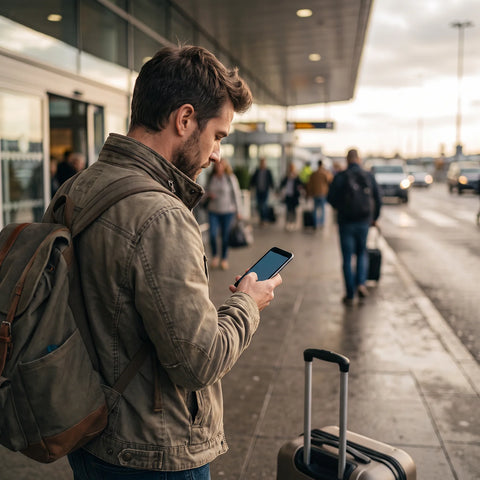
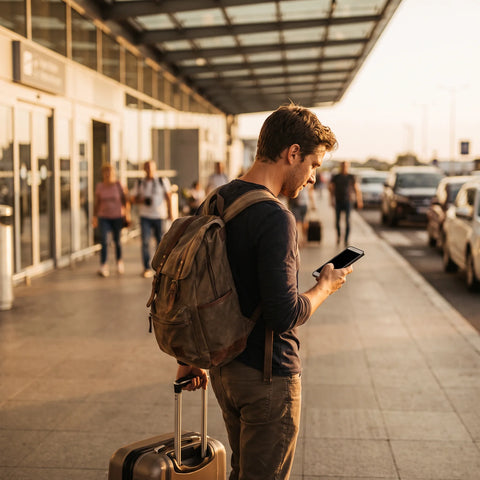
Ideally, you'd land at MCO with your eSIM already installed and only need to activate data when you get off the plane. That way, while waiting for your luggage, you can already request a transfer, open your hotel reservation, or send the "we've arrived" message home without looking for airport Wi-Fi or waiting in line at a carrier's counter. A detail many people forget: disable data roaming on your Spanish line before leaving home, so that roaming doesn't accidentally activate as soon as you land and surprise you with a bill.
Coverage in Florida is so good that most Spanish travelers going to Orlando also take advantage of it on excursions to the coast, Kennedy Space Center, or Miami. If your plan covers the entire US, as is the case with a national eSIM, you won't have to do anything special when leaving the city or recalculate coverage along the way.
eSIM vs. buying a SIM at the outlet
In Orlando, it's tempting to buy a prepaid SIM card at an outlet store or supermarket upon arrival, but it usually turns out worse than it seems: you waste vacation time queuing, you have to activate it in English with a hurried sales clerk, and some companies ask for a local address you don't have. The eSIM avoids all that hassle because you install it before leaving home.
| Option | Cost | Hassle |
|---|---|---|
| Spanish roaming | Cost skyrockets depending on the operator; check current rates before leaving | Surprise bill upon return if not controlled |
| Local prepaid SIM | Variable per GB, depends on the store | Queue in store, activation in English, physical chip change |
| PuraSim eSIM | Fixed price per plan, no surprises | Installed at home with Wi-Fi, ready to activate upon landing |
Furthermore, with an eSIM, you keep your Spanish number active on the same phone, so you still receive bank SMS messages or can receive an urgent call without having to insert another chip. If you've always used a physical chip and aren't sure how having two lines at once works, our comparison of international chip vs. eSIM will clarify a lot, and if you've never installed one, here's a step-by-step guide on how to install an eSIM.
How to activate it and tricks within the park
Installing the eSIM takes a minute and is done at home with Wi-Fi, not at the airport or in the security line. The typical mistake is leaving it until the last minute and ending up struggling with the QR in the terminal; do it calmly a few days before you fly and arrive with everything ready.
- Purchase the US plan according to your park days and the GBs you calculated in the table above.
- Scan the QR code you receive by email in Settings > Mobile Data > Add eSIM.
- Leave the eSIM installed but not activated, and only activate mobile data upon landing in Orlando.
- Inside the park, lower screen brightness and activate low power mode to extend both battery and data.
If it's your first eSIM and you want to understand what it is before buying, start with what a virtual eSIM is. And if you want to maximize your GBs during park days, without running out of data on the last day because you spent too much watching videos in line, check out our tips for saving data while traveling: several of them fit perfectly with the pace of a day at Disney or Universal.
What almost no one tells you about data in Orlando
There are a few details you only discover once you've spent an entire day in a park with your phone as your main tool, and which don't usually appear in generic eSIM guides.
The park's free Wi-Fi won't save you. Both Disney and Universal offer Wi-Fi throughout much of the grounds, but it gets saturated at midday and in show areas, just when you need it most to buy the attraction photo before the offer expires. Don't count on it as your primary plan; use it as a punctual backup.
Battery is the real bottleneck, not data. With Florida heat, screen brightness at max, and active GPS, most phones won't make it to the fireworks alive if you don't carry an external battery. Having 15 GB is of little use if your phone dies by mid-afternoon.
Genie+ push notifications consume more than they seem. If you have attraction availability alerts activated, the app is constantly checking in the background all day, even with the screen off. If you're tight on GBs, review that setting before entering the park.
When you DON'T need to contract anything extra: if your Orlando getaway is a very short weekend and your Spanish operator already includes decent roaming in the US within your regular plan, it might not be worth contracting a large plan. First, check the conditions of your current contract; an eSIM makes more sense the longer the park days are and the more family you need to coordinate via hotspot.
A common mistake: activating the eSIM as soon as your flight lands, while you're still on the tarmac waiting for the gate. It's better to wait until you're inside the terminal: the signal is more stable, and you avoid the plan starting to count minutes before you actually need it.
Frequently Asked Questions
Does an Orlando eSIM work for the rest of the United States?
Yes, if you choose a plan that covers the entire US. Orlando is in Florida and uses the same networks as the rest of the country, so with a national plan, you can stay connected in Miami, the Keys, or any other stop on your route without buying anything new.
How many GB do I need for a week at Disney and Universal?
With park apps open all day, budget between 10 and 15 GB for a week for two people sharing a hotspot. If you upload many videos or plan to share data with more people in your group, it's better to opt for a 15 GB or unlimited plan.
Will the Disney app work with the eSIM?
Yes. My Disney Experience and the Universal app work the same with any US data plan; they are carrier-independent. You only need coverage, and in the park area, it's excellent. Bring an external battery because these apps, with GPS and active notifications, consume quite a bit.
Can I share the eSIM with my family?
The eSIM is installed on a single phone, but you can share the connection by activating the hotspot for the rest of the group. This is common on family trips to the parks: a plan with generous data on one phone and the rest connected via personal Wi-Fi from there.
When should I activate the eSIM data?
Install it in Spain with Wi-Fi before flying and activate data only upon landing in Orlando, preferably inside the terminal rather than on the tarmac. This way, you calmly confirm that the installation was correct and prevent the plan from starting prematurely.
Do I need an eSIM if I'm only staying at the hotel and parks?
Even if you don't move much outside the resort, it's still worthwhile: within the parks themselves, you need mobile data for virtual queues and reservations, because the free Wi-Fi gets saturated during peak hours and you can't rely solely on it.
What happens if I run out of GBs halfway through my trip?
You can extend the plan from the same app without leaving home or looking for a store. That's why it's advisable to check the recommended GB table before leaving: it's better to over-budget than to run out of data on fireworks night.
Conclusion
Orlando is a city best enjoyed with your phone always ready, and park apps consume much more data than most people imagine before arriving. Arriving with a US eSIM already installed saves you queues at the outlet, roaming scares, and mid-afternoon battery woes. Prepare your eSIM before flying, activate data upon landing at MCO, and focus on the attractions, not the coverage.