In short: How much data each app uses varies greatly: streaming video consumes 1-3 GB per hour, social media uses between 300 and 800 MB, music is around 150 MB, and maps barely 5 MB. Calculate your eSIM by adding these consumptions for your travel days, not by guessing.
Knowing how much data each app uses is the only honest way to calculate how many GB you need before a trip. Listening to music is not the same as watching a 4K series, and that difference determines whether your data plan lasts a week or runs out in two days. Here is the real consumption map per application and per hour, with tricks to stretch every megabyte.
How much data each app uses per hour
Per hour of use, Netflix or YouTube in high quality can reach 1-3 GB, while Spotify is around 150 MB, Google Maps about 5 MB, and WhatsApp text messages barely a few kilobytes. The difference between the most and least data-hungry app exceeds 500 times, so your consumption depends mainly on what you do, not how much time you are connected.
That's the game-changing idea when you travel. Many people believe that "browsing on mobile" always consumes the same amount, but a bit of reels can use up what thirty minutes of maps consume in a whole day of travel. Before buying your eSIM, it's a good idea to look at the breakdown by app categories to get an accurate idea. If you're not yet clear on what an eSIM is or why it avoids roaming, start with what an eSIM is before calculating your consumption.
| Application | Consumption per hour (approx.) | Profile |
|---|---|---|
| Netflix (high) | 1-3 GB | Very high |
| YouTube (720p) | 0.7-1.2 GB | High |
| WhatsApp video call | 250-350 MB | Medium-high |
| Spotify (high) | 140-150 MB | Medium |
| Instagram / TikTok | 300-800 MB | Variable |
| Google Maps | 3-5 MB | Low |
| WhatsApp (text) | < 1 MB | Very low |
The biggest data consumers: video and streaming
Video is, by far, what consumes the most data on a mobile phone. Netflix, YouTube, Amazon Prime Video, HBO, and Twitch work with continuous image streams, and the bill goes up or down depending on the resolution you choose. In standard quality, a movie can be around 0.7 GB; in high or 4K quality, the same movie can easily exceed 3 GB. Multiply that by several sessions, and you'll understand why a "small" data plan disappears at the hotel watching series.
The good news is that these apps allow you to lower the playback quality or download content in advance via Wi-Fi. If you know you'll want entertainment on flights or long journeys, download it at home and save your mobile data for what you really need at your destination: maps, messaging, and an occasional video. This control prevents you from feeling like your eSIM "runs out on its own"; in reality, video is almost always the culprit. And if you're wondering whether to also carry a physical backup SIM for these consumption spikes, this comparison between international SIM vs eSIM will help you decide.
Practical rule: one hour of high-quality video is equivalent, in data, to more than twenty hours of listening to music on Spotify. Lower the resolution, and you'll multiply the duration of your plan.
Messaging and video calls
Text messaging is the queen of efficiency. WhatsApp, Telegram, or iMessage send written messages with almost negligible consumption: you could chat for entire days and not even use 50 MB. The jump comes with photos, audios, and, above all, video calls: a WhatsApp video call uses around 250-350 MB per hour, and a voice-only call over the internet uses much less.
For a trip, this means that keeping in touch with home via text is practically free in terms of data. Save long video calls for when you have Wi-Fi and use voice messages or voice calls when you're on mobile data. If you're concerned about someone intercepting those video calls on hotel or airport Wi-Fi, it's a good idea to review how privacy with a VPN works when traveling, especially if you work while traveling.

Maps, navigation, and music
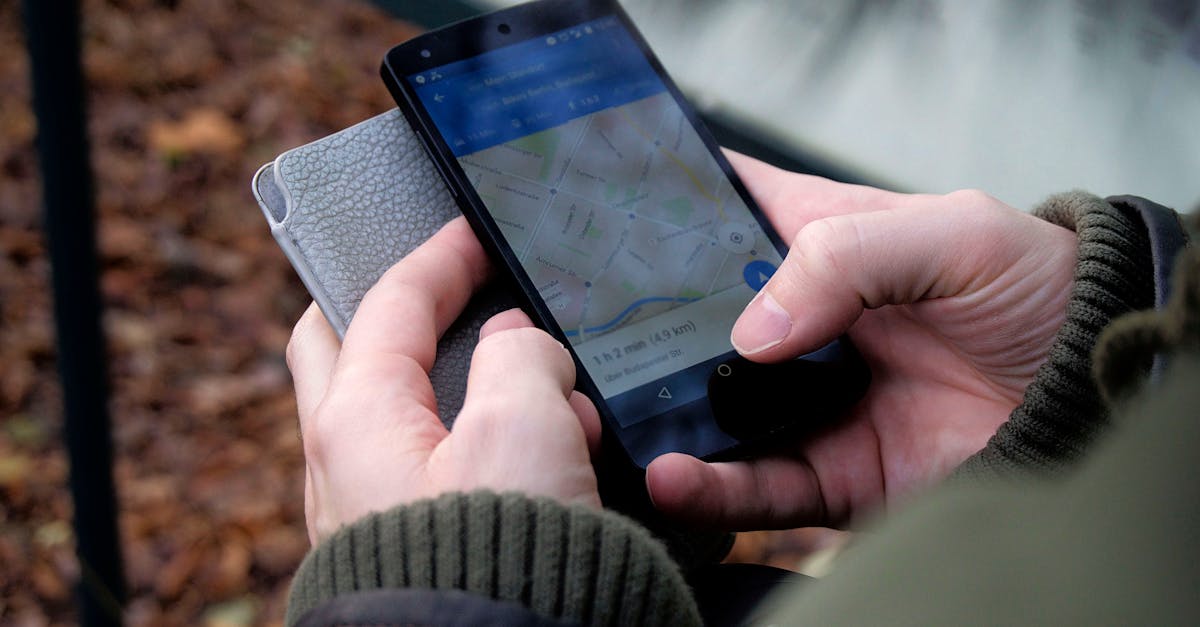
Here comes the most pleasant surprise for travelers: Google Maps and Waze use very little data. An hour of car navigation consumes only about 5 MB, because the map is composed of light data and, if you download the area offline, consumption drops almost to zero. You can cross an entire country using your phone for navigation and spend less data than watching a single short video.
Streaming music is somewhere in the middle. Spotify in high quality uses around 150 MB per hour, and in normal quality, significantly less. For long journeys—a road trip along the east coast of Australia or a hiking route like the one to Machu Picchu, where the signal disappears in entire mountain sections—the winning combination is offline downloaded maps plus downloaded music; this way, you save data for unforeseen circumstances and still have GPS and a soundtrack without interruptions for hours.
Social media: the invisible drain
Instagram, TikTok, X (Twitter), and Facebook are deceptive because you don't perceive them as "video," but in practice, they are. Reels, stories, and endless scrolling autoplay clips one after another, and that's where consumption soars: between 300 and 800 MB per hour, depending on the resolution and how much video the algorithm serves you. It's the most difficult expense to control because it happens during idle moments: the museum queue, the subway, waiting for a plane.
The trick is to disable video autoplay with mobile data in each network's settings. With just that, many travelers cut their daily consumption in half without noticing much difference in experience. If your eSIM empties "without doing anything," this drain is almost always responsible, not a plan failure. It's worth reviewing these settings as soon as you install the eSIM: the process is quick, and in how to install an eSIM you have the step-by-step with screenshots of iOS and Android menus.
How to calculate your GB for the trip
With the consumption map in hand, calculating is simple: add what you'll do each day and multiply it by the number of travel days. "Normal tourist" use—maps, messaging, some social media, and photos to the cloud—is around 0.5-1 GB per day. If you add streaming music and a lot of social video, it goes up to 1.5-2 GB daily. And if you like to watch series at the hotel, count several extra GB per session.
As a guideline, a 3 GB plan adequately covers a weekend getaway with moderate use, while 5-10 GB suits one to two weeks of typical travel. With PuraSim, you get coverage in over 200 destinations, activation in 1 minute, and Spanish support, so you can start with a modest plan and expand it without changing your eSIM. If you're going to Europe, the calculation is usually more generous because most are cities with good 4G/5G coverage; if your destination is the United States, count a bit more due to distances and stretches of road with little to no signal between cities. To further fine-tune the exact number, cross-reference this calculation with the guide on tricks to save data on a trip with an eSIM.
Tricks to use less data
Reducing consumption doesn't mean giving up your mobile, but using it wisely. These adjustments make the biggest difference with the least effort:
- Download offline maps, music playlists, and episodes via Wi-Fi before you leave.
- Disable video autoplay on Instagram, TikTok, X, and Facebook when using mobile data.
- Lower streaming quality to standard on YouTube, Netflix, and Spotify.
- Limit automatic backups of photos and videos to the cloud: sync them only with Wi-Fi.
- Close background apps and check which applications consume data even when you're not using them.
With this routine, an average traveler can cut their daily spending by 40-50% without sacrificing navigation or contact with home. And if you ever need to connect your laptop or tablet, remember that sharing your connection via hotspot from your mobile adds that extra consumption to your eSIM: count those GB separately when planning your trip, because a hotspot for a few hours of work can use up your entire plan in a single day.
Myths and what almost no one tells you
There are several ideas about data consumption that are repeated from traveler to traveler without anyone checking them, and some make you buy more GB than you actually need. Others, on the contrary, leave you short just when you need it most.
"The longer I use my mobile, the more data I spend." It's not the time, it's the activity. You can hold your mobile for seven hours reading news and chatting and spend less than 100 MB; or twenty minutes watching reels and use 400 MB. If you calculate your plan by "mobile hours per day" instead of by type of use, you'll almost always be wrong.
"Closing the app prevents it from consuming data." Not entirely. iOS and Android keep background processes active — content updates, photo syncing, push notifications — even if you've manually closed the app. The real difference is made by disabling "background app refresh with mobile data" in the system settings, not by closing apps one by one.
"If I land and have Wi-Fi at my accommodation, I don't need data anymore." Hotel and apartment Wi-Fi usually works well in the room but poorly as soon as you step into the hallway, pool, or street. And if you're traveling with other people, the network gets saturated at peak times — at night, when the whole building is connected at once. Having your own mobile data frees you from relying on a network you don't control.
"The sooner I activate the eSIM, the better." Here's the trick that saves the most data in this entire article: before activating the plan, use the airport or home Wi-Fi to force pending App Store or Google Play updates. If you activate the eSIM with fifteen apps waiting for an update, the system will download them as soon as it detects available mobile data, and you could lose several hundred MB without having opened a single app.
And the most honest advice of all: if you're going to spend a weekend in a European Union capital and your Spanish operator already includes free EU roaming in your plan, don't buy anything extra. That case is already covered. Where an eSIM is worthwhile is when you leave the EU, when your plan doesn't include roaming or charges extra for it, or when you want to separate your travel consumption from your usual line without touching it.
Frequently asked questions
Which app consumes the most data on mobile?
Streaming video apps, with Netflix and YouTube at the top. In high quality, they can exceed 1-3 GB per hour, far more than music (150 MB) or maps (5 MB). Lowering video resolution is the setting that saves the most data on any trip.
How much data does Google Maps consume while navigating?
Very little: about 3-5 MB per hour of navigation. If you download the map of the area offline before leaving, consumption drops practically to zero, and you can use GPS without spending hardly any data during the entire journey.
How much data does Spotify consume in an hour?
In high quality, Spotify consumes around 140-150 MB per hour; in normal quality, significantly less. Downloading songs or playlists via Wi-Fi before your trip allows you to listen to hours of music with almost zero mobile data usage.
How many GB do I need for a week-long trip?
With moderate use (maps, messaging, some social media), 3-5 GB is usually sufficient for a week. If you include a lot of social video or series, estimate 1.5-2 GB per day. With an eSIM, you can start with a smaller plan and expand it if you run short.
Why is my data being used if I'm not doing anything?
Almost always due to background processes: video autoplay on social media, photo backups to the cloud, and app updates. Disable autoplay and limit syncing to Wi-Fi to stop this invisible drain.
How much data does a work video call with Zoom or Google Meet consume?
It's in a similar range to WhatsApp: between 250 and 500 MB per hour depending on video resolution and whether you share your screen. Screen sharing in high quality consumes the most, so if you're working while traveling, lower the video resolution in the app settings before the meeting.
Does airplane mode with Wi-Fi enabled consume mobile data?
No. With airplane mode activated, the mobile completely disconnects the mobile data antenna and only uses the Wi-Fi network you connect to. It's the safest way to ensure you don't use a single megabyte from your plan while using hotel or airplane Wi-Fi.
Conclusion
Knowing real app consumption gives you control: video uses the most, music is moderate, and maps and messaging barely count. With this map, calculating your GB stops being a lottery. Prepare your trip with clear data and an eSIM that you can easily expand, and forget about running out of connection at the worst possible moment.