You land in Lima, leave Jorge Chávez Airport, and the first thing you want to do is open your map, announce your arrival, and figure out how to get to your hotel. With a Peru eSIM, you’ll have internet before you even step onto the street, without waiting in line at a phone store or changing your phone’s physical SIM card. In this guide, we’ll tell you, with real data, how connectivity works in Peru, how much coverage there is from Lima to Machu Picchu, and how to activate your eSIM in one minute so you don't get stranded in the Sacred Valley.
Why you need data in Peru as soon as you arrive
Peru is a huge and diverse destination: on the same trip, you go from the desert coast of Lima to the Amazon jungle and to over 3,000 meters in Cusco. Moving around all of this without internet on your phone is a gamble. You need data to use the map, order a taxi via app, check train schedules to Machu Picchu, translate a menu, or confirm hostel and tour reservations.
Furthermore, in Peru, it's advisable not to improvise with your connection. To order reliable transportation from the airport, compare taxi prices, or let your family know everything is fine, mobile internet gives you security from minute one. An eSIM solves this without relying on hotel Wi-Fi, which is often slow or doesn't reach your room.
The advantage of having your connection sorted before traveling is that you activate the QR with your home Wi-Fi, arrive in Lima, turn on your phone, and you already have data. If you want to understand the difference between the options, we offer this comparison of what an eSIM is and why it has become the most convenient way to travel connected.
Coverage and networks in Peru: Claro, Movistar, and Entel
Three major mobile networks operate in Peru: Claro, Movistar, and Entel. All three provide good 4G/LTE coverage in cities and tourist areas, and 5G is already being deployed in Lima and some provincial capitals. When you purchase a travel eSIM, it connects to one or more of these local networks, so your experience primarily depends on the area you are in, not your phone's brand.
Broadly speaking, in major cities and large tourist destinations, coverage is solid and sufficient for maps, messaging, social media, and video calls. The problem is usually not the city, but the high mountains, closed valleys, and trekking routes, where the signal drops significantly or disappears. This is key for Machu Picchu and, especially, for the Inca Trail.
| Operator | Technology | Where it works well |
|---|---|---|
| Claro | 4G/5G | Lima, Cusco, coast, and main roads |
| Movistar | 4G/5G | Large cities and tourist areas |
| Entel | 4G/5G | Lima, Andean South, and a good part of the country |
PuraSIM Tip: In mountain destinations like Peru, what matters most is not "which operator" but having an eSIM that relies on local networks with the best coverage in each area. This reduces signal gaps without having to change SIM cards.

How many GB you need based on your type of trip
The million-dollar question before buying your eSIM is how much data to get. It depends on how many days you're staying, whether you use a lot of maps and video, and if you'll be able to connect to your accommodation's Wi-Fi at night. For a typical one- or two-week trip to Peru, most travelers will fall short if they only have 1 or 2 GB.
As a quick reference: maps and messaging consume little data, but social media and videos gobble up data quickly. If you're going to upload Machu Picchu reels or make long video calls, upgrade your plan without hesitation. It's much better to have too much data than to run out of internet in the middle of the Sacred Valley.
| Travel Profile | Duration | Recommended GB |
|---|---|---|
| Short getaway (maps and messaging) | 3-5 days | 3-5 GB |
| Classic Lima + Cusco trip | 7-10 days | 8-10 GB |
| Long trip or intensive use | 2-3 weeks | 15-20 GB |
- Light use: WhatsApp, maps, and some browsing. Rely on Wi-Fi at night.
- Medium use: maps all day, social media, and some video calls.
- High use: stories, reels, lots of video, and sharing internet with another device.
If you're unsure about your consumption, we can help you calculate it with this guide on how much data you need for travel so you can choose the right plan without overpaying or running out.
How to activate your eSIM with the QR code in one minute
Activating an eSIM is much easier than it seems, and that's precisely what makes it so convenient compared to a traditional SIM card. When you purchase your plan from PuraSIM, you receive a QR code by email. You scan it from your phone's settings, the data profile is installed, and you're all set. You don't have to open the SIM tray or lose your physical card.
The trick to getting it right is to install the eSIM before leaving home, using your Wi-Fi, but to only activate the data when you land in Peru. This way, you don't use up data prematurely, and you have internet as soon as you turn on your phone in Lima. Installation takes about a minute.
- Check that your phone is eSIM compatible and unlocked.
- Connect to Wi-Fi and open your mobile data settings.
- Select "Add eSIM" and scan the QR code we sent you.
- Upon arrival in Peru, activate the eSIM data line.
- Check that you have a 4G/5G signal and open the map to confirm.
If this is your first time with this technology, take a look at our step-by-step guide on what an eSIM is before your trip. And remember: with PuraSIM, you have 24/7 Spanish-language support, so if something doesn't load, you have someone to ask at any time.
Zone by zone: Lima, Cusco, Machu Picchu, and the Andean South
Coverage in Peru varies greatly by area, so it's worth knowing what to expect at each stop on your trip. In cities, you'll be fine; in the mountains and on trekking routes, be prepared for stretches without a signal. This will help you download offline maps in advance where needed.
- Lima: excellent 4G/5G coverage in Miraflores, Barranco, and the center. No problems with apps, video, or video calls.
- Cusco: good signal in the city despite being at 3,400 meters of altitude. Ideal for organizing trains and tours.
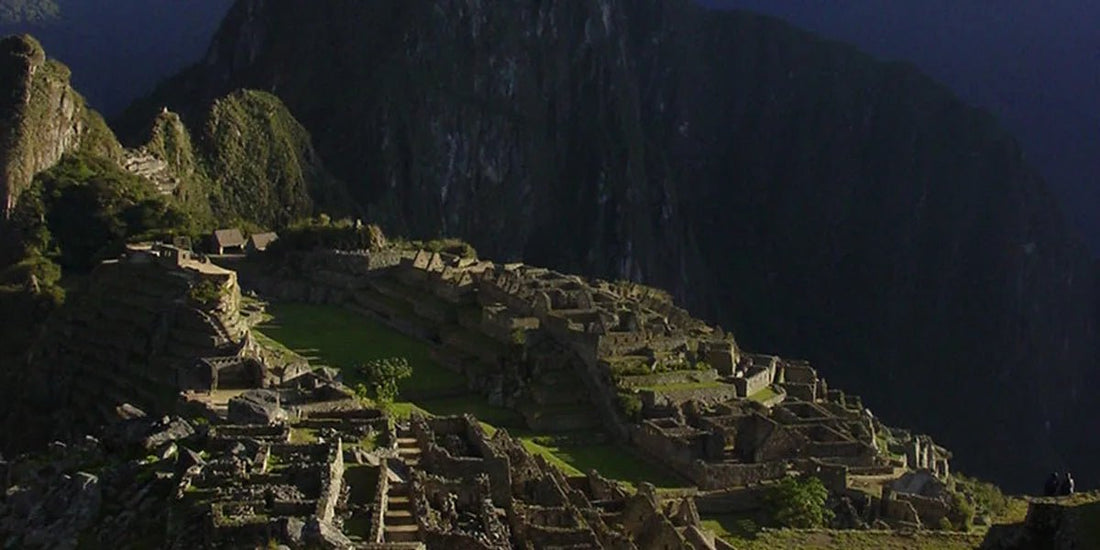
- Machu Picchu and Aguas Calientes: there is coverage in the town of Aguas Calientes, but within the citadel and on the peaks, the signal is irregular. Download the map and your tickets before climbing.
- Sacred Valley (Pisac, Ollantaytambo): coverage in the towns, with gaps between towns and in mountain areas.
- Arequipa: very good connection in the white city. If you go to the Colca Canyon, expect stretches without a signal.
- Lake Titicaca (Puno and the islands): coverage in Puno, but weaker on the Uros floating islands and Taquile.
Important notice: In high mountains and on the multi-day Inca Trail, do not expect a stable connection. There are long stretches with no signal at all, so inform your family beforehand and have your maps downloaded. Disconnection is part of trekking, and that doesn't depend on your eSIM but on the geography.
To fit Peru into a longer South American itinerary, you might find our guides on eSIM in Colombia for one week and eSIM in Argentina useful, following the same logic of coverage and consumption.
Practical tips: soroche, soles, and water
Beyond connectivity, there are three things every traveler should be clear about in Peru, and it's advisable to manage them with your phone in hand. The first is altitude: Cusco is at 3,400 meters and Lake Titicaca at 3,800, so altitude sickness, known as soroche, is very common upon arrival.
- Soroche: take it easy the first day, hydrate well, and try coca tea. Having internet allows you to locate a pharmacy or seek help quickly if you need it.
- Currency: the currency is the Peruvian sol (PEN). Carry cash for markets and taxis, and use your phone to convert prices and compare before paying.
- Water: do not drink tap water. Buy bottled water and check that it is sealed; with data, you can check restaurant reviews to avoid unpleasant surprises.
Having an eSIM with data gives you room to resolve unforeseen events: from checking the weather forecast in the mountains to contacting your travel insurance if soroche becomes complicated. It's that peace of mind knowing that, whatever happens, your phone is connected.
Roaming vs eSIM: how much you really save
The temptation to arrive and activate your home operator's roaming is great, but in a destination outside Europe like Peru, it usually turns out to be very expensive. International roaming outside your plan's zone can cost several euros per megabyte or have daily bundles with a high fixed price, and it's very easy to get a shock on your bill.
A travel eSIM works the other way around: you pay a fixed price upfront, you know exactly how much data you have, and there are no surprises when you return home. With PuraSIM, plans start from $1.49 and cover 200+ destinations, so the same system works for Peru and for your next trip.
| Aspect | Traditional Roaming | PuraSIM Travel eSIM |
|---|---|---|
| Price | High and variable | Fixed, from $1.49 |
| Bill surprises | Frequent | None |
| Activation | Call your operator | QR in 1 minute |
| Share internet (hotspot) | Sometimes limited | Yes, hotspot included |
If you want to delve deeper, we explain in detail what roaming is and why it is almost always advisable to avoid it when traveling outside your country, as well as a general guide to international eSIM for your next adventures. Once you're clear, you can choose your eSIM for Peru in a couple of clicks.
Frequently asked questions
Does the eSIM work in Machu Picchu?
Yes, there is coverage in the town of Aguas Calientes and in much of Cusco and the Sacred Valley, but within the Machu Picchu citadel and on the peaks, the signal is irregular. It's best to download maps and your tickets before going up.
Is my phone compatible with eSIM?
Most mid-to-high-end phones from recent years support eSIM (iPhone XS or later, Galaxy S20 onwards, recent Pixels, etc.) and must be unlocked. Check your settings to see if your model allows "Add eSIM."
When should I activate the eSIM, before or after arriving?
Install the eSIM with the QR code before traveling using your home Wi-Fi, but only activate the data line when you land in Peru. This way, you don't use data prematurely and you have internet as soon as you turn on your phone.
Can I share internet with another device?
Yes. PuraSIM plans allow you to use the hotspot to share your connection with a laptop, tablet, or your companion's phone, within the GB you have contracted.
How many GB do I need for 10 days in Peru?
For a classic Lima and Cusco trip of 7 to 10 days, 8-10 GB is typical if you use maps daily and some social media. If you upload a lot of videos or make long video calls, go up to 15-20 GB.
What if I have trouble connecting?
PuraSIM offers 24/7 Spanish-language support. If the eSIM doesn't load or can't find a signal, you can write at any time, and they will help you configure it step by step.
Conclusion
Traveling through Peru with a Peru eSIM removes the biggest travel stressor: connectivity. To recap, in cities like Lima, Cusco, and Arequipa, you'll have good 4G/5G coverage thanks to the Claro, Movistar, and Entel networks; in the high mountains and on the Inca Trail, be prepared for stretches without signal and have your maps downloaded. Choose your GB based on the number of days and your usage, activate the QR code in one minute, and forget about expensive roaming. With PuraSIM, plans start from $1.49 in 200+ destinations, including hotspot and 24/7 Spanish-language support. Choose your eSIM for Peru and dedicate your trip to what matters: ceviche, soroche, and Machu Picchu. For route planning, museums, and tickets, also consult the official tourism website of Peru.