In short: an eSIM for Kazakhstan gives you mobile data in Almaty, Astana, and other cities from the moment you land, without registering your passport at a store or struggling with Russian. It's installed before flying, activated upon arrival, and avoids expensive roaming from your Spanish provider. Coverage is solid in cities and weak in the steppe, so download maps beforehand.
Kazakhstan is the ninth largest country in the world, more extensive than all of Western Europe combined, and this is noticeable as soon as you leave a city: there are more than a thousand kilometers between Almaty and Astana, and between towns, there can be hours of steppe without a single sign in the Latin alphabet. Arriving with an eSIM Kazakhstan already installed removes the first problem of the trip, which is finding where to buy data right after getting off the plane, at an airport where almost no one checks direct flights from Spain.
What is an eSIM and how does it work in Kazakhstan
An eSIM is a phone line profile installed via software instead of inserting a physical card. It connects to the same 4G/5G network used by local Kazakh operators, only you don't have to go to any store or sign any contract: you buy the profile online, scan it before flying, and activate it upon landing. The rest of your phone remains exactly the same, with your Spanish line active for calls and SMS.
The difference with traditional roaming from your operator is that here you don't depend on an agreement between companies that skyrockets the price per megabyte outside the EU; you buy a fixed data package, you know exactly how much you're going to pay, and there are no surprises on your bill when you return. If you want to understand the technical difference in more detail, we have a dedicated guide to eSIM vs. roaming that compares the two systems step-by-step.
Kazakhstan is not a massive destination for Spanish travelers —most arrive on a Central Asia route, combining Uzbekistan or Kyrgyzstan with the Silk Road—, but precisely because of this, it's advisable to have data sorted: you won't have free Wi-Fi on every corner like in a European capital, and getting lost in the steppe without a map is not an anecdote; it can easily happen for real.
Coverage by cities and steppe
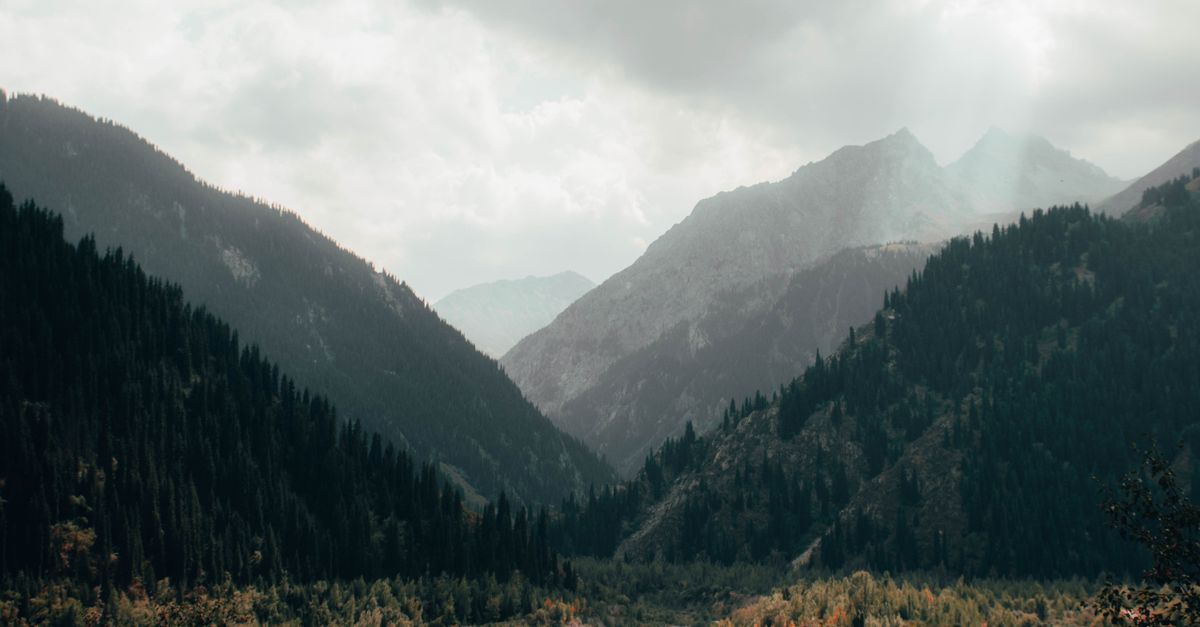
Coverage in Kazakhstan follows a very clear pattern: excellent where people live, irregular once you leave the main road. The two large cities and the axis between them have solid 4G and even 5G in specific areas; the rest of the country is a mix of good signal on the road and black holes in the countryside.
- Almaty and Astana: Fast 4G and 5G in the city center and business districts. No problems for maps, video, or video calls, even on the surface subway.
- Shymkent, Karaganda, Aktau: Good urban coverage, slightly weaker in the outskirts and industrial areas.
- Steppe and long roads (M-36, the Almaty-Astana route): Long stretches with no signal or intermittent 2G. On a twelve-hour drive through the steppe, expect to lose connection for entire periods.
- Trekking areas (Charyn Canyon, Kolsay Lakes, Big Almaty Lake): Intermittent coverage at best. Near Big Almaty Lake itself, less than an hour from the city, you'll notice the signal drops as you gain altitude.
Traveler's tip: save your complete itinerary and hotel addresses on Google Maps offline before leaving Almaty or Astana. On long journeys through the steppe, when the signal disappears for hours, it's the only thing that will get you out of trouble.
To understand why an eSIM behaves like a local network and not like expensive roaming from your Spanish operator, also read the comparison between international physical chip and eSIM: in a country where buying a physical SIM involves paperwork, the difference is more noticeable than in any other destination.
How many GB you need depending on your trip
It depends on whether your profile is for maps and messaging or uploading content all day. Since Kazakhstan is traversed on long journeys that usually end with hotel Wi-Fi, the actual mobile data consumption is often more moderate than people calculate before leaving. This table gives you a starting point:
| Trip type | Days | Recommended GB |
|---|---|---|
| Layover or express trip (Almaty or Astana only) | 3-4 | 3 GB |
| Cities (Almaty + Astana) | 7 | 5 GB |
| Long route combining Central Asia | 14+ | 10 GB or more |
| Digital nomad / remote work | 30 | 20 GB or unlimited plan |
If you're torn between two plans, always go for the middle one: you'll have enough margin to use your phone as a Wi-Fi hotspot at the hotel when the establishment's Wi-Fi is slow, which is quite common outside international chains. To calculate your specific case more accurately, check out the guide on how to save data on an eSIM trip, which explains which apps consume the most without you realizing it.

Local operators vs. travel eSIM
In Kazakhstan, three operators dominate: Beeline, Kcell/Activ, and Tele2. A local SIM can be cheap in euros, but it comes with fine print designed for residents, not passing tourists: you have to register the number with your passport at the store (and in some cases with the phone's IMEI), the purchase process is in Russian or Kazakh, and the counter doesn't always have someone who speaks English fluently.
| Local Kazakh SIM | Travel eSIM | |
|---|---|---|
| Passport registration | Mandatory, in physical store | Not necessary |
| Transaction language | Russian / Kazakh | All in Spanish |
| Data upon landing | When you find an open store | Instantly, with phone in airplane mode until activated |
| Keep your Spanish number | No, you change physical card | Yes, you keep WhatsApp and verification SMS |
The eSIM is usually slightly more expensive per gigabyte than a local SIM bought on site. But if your trip is one or two weeks, the time you save—no queues, no translating forms, no searching for a store with jet lag—offsets that difference. With 24/7 Spanish support, you can resolve any activation questions on the fly, something unthinkable if the problem is with a local Kazakh operator on a Sunday afternoon.
That said, be honest with yourself before buying: if you're staying for more than a month working from Almaty, or need a real Kazakh phone number for local procedures, a physical SIM with its own country number will serve you better than any travel eSIM. The eSIM is designed for tourism and short stays, not for settling down.
How to install and activate yours
The process takes a few minutes and is done from home, with Wi-Fi. The idea is to have the profile installed before flying and activate it only upon arrival, so as not to start spending data while you are still at the origin airport.
- Check that your phone supports eSIM: almost all iPhones from XR onwards and mid-to-high-end Androids from recent years.
- Purchase the eSIM and receive the QR code by email, usually within minutes.
- Go to your phone's network settings and scan the QR to install the profile (you need Wi-Fi for this step, not mobile data).
- Upon landing in Kazakhstan, activate the eSIM profile's data and wait a few seconds for it to register on the local network.
If you have doubts about the QR step, the guide on how to install an eSIM explains it screen by screen, and if you're not sure if your profile has been installed correctly or what exactly having a "virtual" line means, it's advisable to first review what a virtual eSIM is before buying.
Install the QR with Wi-Fi before flying, not at the departure airport at the last minute. Scanning it requires stable internet, and many Spanish connection airports have public Wi-Fi that drops just when you need it most.
Tips to avoid running out of data (and blocked accounts)
Kazakhstan punishes those who improvise, especially due to distances. These habits prevent the most common scares:
- Download offline maps of Almaty, Astana, and any route between cities before moving, not when you're already on the road without a signal.
- Activate your phone's data usage alert to monitor how many GB you have left halfway through your trip.
- Use the hotel Wi-Fi to upload heavy photos and videos, and save mobile data for what really matters: maps, translator, messaging.
- If you combine Kazakhstan with Kyrgyzstan or Uzbekistan, be clear that the Kazakhstan eSIM stops working as soon as you cross the land border; you'll need another profile or local SIM for the next country.
- In winter, extreme cold drains phone batteries much faster than normal. Bring a power bank if you'll be relying on GPS for several hours straight outdoors.
There's a point almost no one mentions before traveling that's worth knowing: Kazakhstan has, at specific moments of social tension, temporarily restricted access to social media or the internet in general. This is not common and should not influence your trip, but if you're going to rely on your eSIM to communicate with home, it's a good idea to also have an alternative means of contact for those exceptional days. If you're concerned about the privacy of your connection on public hotel or airport Wi-Fi networks, the guide on eSIM, VPN, and travel privacy explains when it's worth using a VPN and when it's unnecessary to complicate things.
Myths and what almost no one tells you
Before traveling to Kazakhstan with an eSIM, it's worth debunking some common misconceptions that don't match the reality on the ground:
- "With an eSIM, I don't need to carry anything else." Half false: if your route includes trekking in Charyn or Kolsay Lakes, coverage disappears right where you'd need it most. Carry your route and coordinates downloaded; don't rely solely on having data.
- "Buying the eSIM the day before is the same as buying it a week in advance." Not entirely: buying it with enough lead time gives you time to calmly check that the QR installs correctly, without the pressure of a half-packed suitcase. If something goes wrong, you have days to resolve it with support instead of hours.
- "Astana and Nur-Sultan are different cities." No, it's the same capital: it changed names several times in recent years (Akmola, Astana, Nur-Sultan, and back to Astana). If you see both names on signs, apps, or old train tickets, don't get confused; it's the same place.
- "For a weekend trip to Almaty, I need a lot of GB." Not particularly: if you're only staying two or three days in a city with decent hotel Wi-Fi, a small plan is more than enough. Don't buy extra "just in case" when your itinerary already tells you you won't use it.
- Almaty's Zeleny Bazaar (Green Bazaar) is a good example of why it's useful to have data on hand: it's easy to get lost among the stalls, and a map helps you find your way back to the meeting point without relying on someone speaking English.
Frequently asked questions
Is it safe to travel to Kazakhstan with just an eSIM?
Yes, with an eSIM installed, you have data for maps, a translator, and emergency contact from the moment you land. As a backup, write down important addresses offline and download maps of your cities, because there will be long stretches without signal in the steppe.
What currency is used in Kazakhstan, and do I need data to pay?
The currency is the Kazakh Tenge (KZT). In cities, card payments are common, but it's advisable to carry some cash for markets and rural areas. Having data allows you to check the exchange rate on the spot and locate reliable ATMs with a map.
Does the Kazakhstan eSIM also work in Uzbekistan or Kyrgyzstan?
No. A Kazakhstan eSIM only covers that country. If you're crossing into Uzbekistan or Kyrgyzstan on the same Silk Road route, you'll need another eSIM profile or a local SIM for each country when you cross the border.
Is there 5G in Kazakhstan?
Yes, there is 5G coverage in central areas of Almaty and Astana, with solid 4G in the rest of the large cities. Outside urban centers, the network drops to 3G or disappears, so don't count on high speed on long journeys through the steppe.
Can I still use WhatsApp with my Spanish number while using the eSIM?
Yes. The eSIM only provides data; it doesn't change your number. Your WhatsApp, Telegram, and banking apps remain linked to your Spanish line, so you continue to receive SMS verifications while browsing with the eSIM.
When is a physical Kazakh SIM better than an eSIM?
If you're staying for more than a month, need a local phone number for administrative purposes, or want the lowest possible price per gigabyte and don't mind spending time on passport registration, a local physical SIM is usually cheaper. For short stays, the convenience of an eSIM outweighs the price difference.
Do I need to activate anything special upon arrival at Almaty or Astana airport?
No more than at any other destination: with the eSIM profile already installed from home, you just need to activate the mobile data for that profile in your settings upon landing. No airport Wi-Fi or additional counter procedures are necessary.
Conclusion
Kazakhstan is best enjoyed with your data sorted before landing: you save yourself passport registration, language barriers, and the search for a store right after getting off the plane. Choose your GB according to your route type—city, steppe, or combined with Central Asia—download offline maps for signal-less stretches, and remember that coverage, however good in Almaty and Astana, has its limits off-road. If your trip after Kazakhstan includes Europe, the Europe eSIM is also ready so you don't run out of data during your layover. Activate your Kazakhstan eSIM calmly, with Wi-Fi, a few days before flying, and land already connected.