In short: A Kenya eSIM gives you local data from the moment you land in Nairobi, with no roaming, no physical SIM, and no bill shock. It activates in minutes with a QR code and works on 4G/5G in cities and tourist areas. For a 10-day safari and coast trip, estimate between 5 and 8 GB.
You land at Jomo Kenyatta Airport in Nairobi, pull out your phone to order a taxi or let your lodge know you've arrived, and… nothing. Without data, the adventure begins with stress instead of excitement. That first moment defines many trips, and it's exactly what an eSIM solves: you land with internet, no roaming, no queues to buy a local card. In this guide, we tell you everything you need to know about the Kenya eSIM before boarding the plane.
Kenya is a destination that combines the wild and the urban like few others: safaris in the Maasai Mara, white sandy beaches in Diani and Watamu, the energy of Nairobi, and the markets of Mombasa. Each of these scenarios has its own connectivity rules, and knowing them beforehand makes the difference between a smooth trip and one full of small digital frustrations.

What is an eSIM and why is it the best option for Kenya?
An eSIM is a digital SIM that is already integrated into your phone. Instead of slotting a small plastic card into a slot, you download an operator profile by scanning a QR code. That profile connects you to Kenya's mobile networks as if you were a local user, but paying a data rate designed for travelers.
The big advantage over traditional roaming is control. With your home operator, traveling to an African country often triggers roaming rates that can exceed several euros or dollars a day, often with reduced speed and that uncomfortable feeling of not knowing how much you've spent until the bill arrives. With an eSIM, you know exactly what you're contracting and how much you'll pay before you leave. If you want to delve deeper into the difference, we have an honest comparison in our guide on eSIM vs. roaming.
Compared to buying a local SIM upon arrival, the eSIM also wins in convenience. In many African airports, buying a physical card involves queuing, handing over your passport for mandatory registration, waiting for activation, and sometimes negotiating in a language you don't master. With an eSIM, you arrive with everything done from the comfort of your home.
Specific advantages for a trip to Kenya
- Immediate connection: install the profile before you fly and it activates upon landing.
- Keep your number: the eSIM works in a virtual slot, so your primary SIM continues to receive calls and SMS.
- No plastic or waste: nothing to lose, nothing to change with a clip.
- Fixed price: you pay what you contract, with no surprise charges when you return home.
Data coverage in Kenya: what you can really expect
Kenya has surprisingly good mobile infrastructure for regional standards, especially in areas where tourism is concentrated. But the keyword here is "areas": the experience changes a lot depending on where you are. Let's break it down.
In Nairobi and Mombasa you will find stable 4G coverage and, in an increasing number of neighborhoods, 5G. Browsing, uploading photos, making a video call or using Google Maps works normally. The capital also has a high density of antennas, so you will rarely lose signal in the city.
On the Indian Ocean coast (Diani, Watamu, Malindi, Mombasa island itself) coverage in tourist centers is good, although it can become spotty on more remote beaches or between villages. Resorts usually have WiFi as a backup.
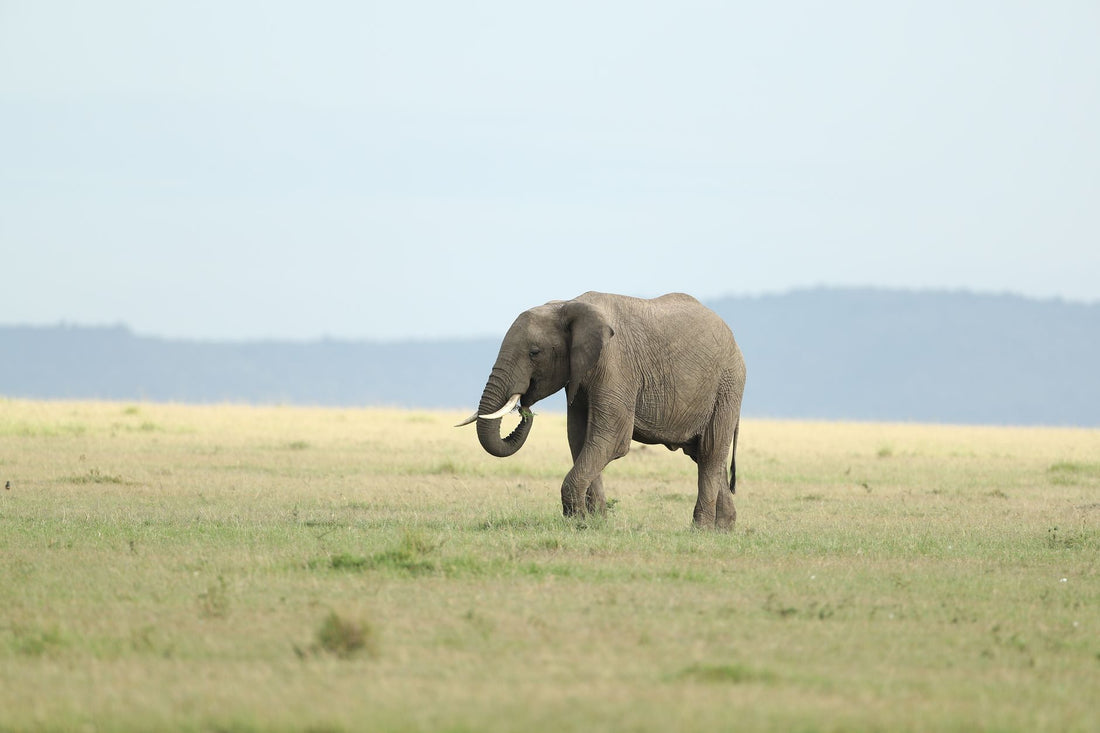
The special case is safari. In national reserves and parks such as the Maasai Mara, Amboseli or Tsavo, coverage is variable: there are spots with decent 4G near access gates and main camps, and large areas where the signal drops to 3G or disappears completely. This is not a defect of any particular eSIM: there are simply no antennas in the middle of the savannah. We cover this in depth in the specific guide to eSIM for safari.
| Area | Typical Coverage | Ideal for |
|---|---|---|
| Nairobi | Stable 4G / 5G | Streaming, video calls, remote work |
| Mombasa and tourist coast | Good 4G, some 5G | Social media, maps, messaging |
| Remote beaches (Diani, Watamu) | Spotty 3G/4G | Messaging, offline maps as backup |
| Maasai Mara and parks | Variable: 4G at access points, weak or no signal inland | Occasional WhatsApp, downloaded maps |
| Intercity roads | Intermittent depending on section | Navigation with offline maps |
PuraSIM connects to the local networks with the best available infrastructure through local roaming agreements, so your eSIM automatically searches for the best signal at all times. Even so, no technology invents coverage where there are no antennas, and on a safari, it's wise to be prepared for periods of disconnection. Many travelers appreciate it: part of the magic of the Mara is leaving your phone in your pocket.

How many GB do you need for a trip to Kenya?
It's the question everyone asks, and the honest answer is: it depends on how you use your phone. The quick rule of thumb for a typical 10-day trip combining Nairobi, safari, and coast is between 5 and 8 GB. But let's refine it according to your profile, because someone who only checks maps doesn't consume the same as someone who uploads daily stories.
Daily consumption based on your usage type
- Basic use (maps, messaging, some searching): 300-500 MB per day.
- Moderate use (social media, photos, continuous browsing): 800 MB to 1.5 GB per day.
- Intensive use (remote work, streaming, video calls): 2-4 GB per day.
| Trip Duration | Light Use | Medium Use | Intensive Use |
|---|---|---|---|
| 5 days | 2-3 GB | 4-5 GB | 10 GB or top-up |
| 10 days | 3-5 GB | 5-8 GB | 15-20 GB or top-up |
| 15 days | 5-7 GB | 8-12 GB | 20 GB or top-up |
A trick almost no one considers: on safari days you consume less than you think, precisely because there is less coverage and you spend hours watching animals instead of your screen. In contrast, city days and days of "catching up" on photos and videos to upload them skyrocket consumption. If you are going to work remotely from Nairobi or make frequent video calls, choose the higher plan directly.
And if you run short, don't worry: you won't suddenly lose coverage. With PuraSIM, you can top up data from your dashboard in minutes, without buying a new eSIM. To get the most out of every megabyte, check out our tips for saving mobile data while traveling. Once you're clear, you can directly view the eSIM plans for Kenya and choose the amount that suits you.
How to activate your eSIM for Kenya step by step
Activating a PuraSIM eSIM takes minutes and doesn't require going to any store or waiting for shipments. Here is the complete process:
- Purchase your plan for Kenya at purasim.com. You will receive an email with your QR code and instructions.
- Open the installation: on iPhone go to Settings → Mobile Data → Add eSIM; on Android, to Settings → Connections → SIM Manager → Add eSIM.
- Scan the QR code from another screen or enter the data manually if you prefer.
- Select the PuraSIM eSIM as your default data line when you are going to use it.
- Activate data roaming in the settings of that eSIM: it is essential to connect to local Kenyan networks and does not generate extra charges because data is already included in your plan.
You can install the profile from home with your WiFi and leave it ready to activate upon landing, or activate it manually when you want it to start counting. If it's your first time, this detailed guide on how to install an eSIM walks you through it screenshot by screenshot.
Important: Before purchasing, verify that your phone is eSIM compatible. Most iPhones from XS, Samsung Galaxy from S20, and Google Pixel from 3 are, but it's good to confirm. One detail many people forget: the phone must be unlocked (not tied to a carrier), or the profile will not activate.
What almost no one tells you about connecting in Kenya
Beyond contracting the correct GB, there are details that separate travelers who are overflowing with connectivity from those who suffer avoidable cuts. These are the tips that rarely appear in generic guides.
Download offline maps before you leave
This is the most useful and most ignored advice for Kenya. Google Maps and Maps.me allow you to download complete maps of the country or specific areas. On safari, where the signal disappears, your GPS still works even without data: you can locate yourself on a downloaded map without spending a single megabyte. Download the Maasai Mara, Amboseli, and the routes you plan to take before losing coverage.
GPS works without data
Many people believe that without internet, the map stops locating you. False. Your phone's GPS chip is independent of the mobile network: it captures satellites directly. With the map already downloaded, you will see your position in real time even if you are two hours from the nearest antenna. This trick alone saves entire safari days.
Use WhatsApp and Telegram for talking, not regular calls
Data calls from these apps consume a fraction of what a traditional international call would cost, and they work perfectly over 4G. Set them to download photos and videos only with WiFi, and you'll prevent the family group from emptying your plan with memes.
Be careful with shared hotspots
Sharing a connection is convenient, but a laptop connected to a hotspot can eat up your plan in an afternoon with automatic updates and cloud backups. If you share, disable background synchronizations on the receiving device.
Activate the eSIM as a data line, not for calls
A common mistake: leaving the eSIM configured for voice. At your destination, you only need it for data. Leave your main SIM for receiving bank SMS and the PuraSIM eSIM for everything internet-related. This way, you take advantage of data roaming without unexpected charges on your home number.
Common mistakes when using an eSIM in Kenya
- Not activating data roaming. This is the number one mistake. Without it, the eSIM won't connect to the Kenyan network, even if it's installed correctly.
- Buying the profile but forgetting to select it as the data line. Check this option before takeoff.
- Installing the eSIM without WiFi. The profile download process requires a connection; do it at home or at the airport with free network.
- Assuming there will be 4G in the Mara. It won't always be there; offline maps are your safety net.
- Waiting until you arrive to buy it. The point of the eSIM is to land already connected. Install it beforehand.
Kenya and its neighbors: if your trip includes Tanzania or more countries
Many safari itineraries combine Kenya with Tanzania (Serengeti, Ngorongoro, Zanzibar) in the same trip. If this is your case, you have two options: one eSIM per country or a regional one. For the Tanzanian leg, you can check the eSIM plans for Tanzania, and if you are going to travel through several African countries, a regional eSIM for Africa may be more practical than buying separate profiles. Always compare coverage and price per GB before deciding.
Frequently asked questions about eSIM for Kenya
When should I activate the eSIM for Kenya?
You can install the profile on your phone days before traveling, using your home WiFi. Most PuraSIM eSIMs for Kenya are configured in advance and activate automatically upon arrival at the destination, or manually when you decide to start using them. Install it before you fly to land already connected.
Is my phone compatible with the Kenya eSIM?
Most smartphones manufactured since 2018-2019 are compatible: iPhone XS onwards, Samsung Galaxy S20 onwards, Google Pixel 3 onwards, and many more. Check your device settings for the "Add eSIM" option and ensure your phone is unlocked.
Can I keep my phone number while using the eSIM in Kenya?
Yes. The eSIM operates in a virtual slot separate from your physical SIM. You can keep your regular SIM for calls and SMS, and use the PuraSIM eSIM only for data. You will continue to receive messages and calls on your usual number without activating voice roaming.
What happens if I run out of data during the trip?
You won't suddenly lose coverage. You can purchase a data top-up from your PuraSIM customer panel in minutes, without changing your plan or installing a new eSIM. That's why it's advisable to start with a reasonable amount and only extend if necessary.
Does the eSIM work in the Maasai Mara and other safari parks?
It works through local networks, which at access points and main camps usually offer 4G, but within the reserves, the signal is patchy or non-existent because there are no antennas. Download offline maps before entering the park: GPS will still locate you even if you don't have data.
Do I need to register my passport to use the eSIM?
With PuraSIM's eSIM, you purchase and activate online without needing to present your passport at a counter or queue for registration at the airport, unlike what sometimes happens when buying a local physical SIM in Kenya. The entire process is done from your phone.
Is an eSIM better than my operator's roaming for Kenya?
For an African country, roaming with a European or Latin American operator can exceed several euros or dollars a day and often with reduced speed. An eSIM gives you local data at a fixed price and full speed where the network allows. Always check your operator's current rates before comparing, but in most cases, an eSIM is a better deal.
Activate your eSIM before you leave and have internet from the first moment, without roaming and without stress.
See eSIM plans for Kenya →