In short: to get an eSIM for El Salvador with reliable coverage and operators, just activate the profile before you fly: the 4G network from Claro, Tigo, and Movistar covers San Salvador, the surf coast, and the Ruta de las Flores well, so you land with internet, no roaming, no stress, and no need to hunt for a physical store when you get off the plane.
El Salvador is no longer the "stopover" destination it used to be
For years, El Salvador was overshadowed by Guatemala and Costa Rica on any Central American itinerary. That has changed. El Zonte, internationally known as "Bitcoin Beach" since the country adopted bitcoin as legal tender, put the nation on the map for digital nomads and surfers. The Ruta de las Flores, Los Volcanes National Park, and the La Libertad coast are drawing more travelers who arrive with the same question: will I have internet as soon as I land, or do I have to queue at a phone store with jet lag?
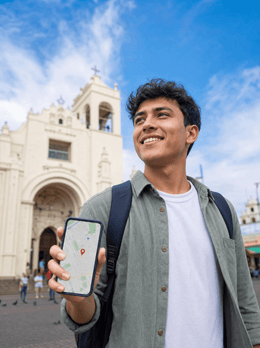
The short answer is yes, you can have mobile data from the moment the plane touches down at El Salvador International Airport (Comalapa). The eSIM removes the need to find a physical SIM, stand in line with your passport, and wait for them to activate the line. You install it before you leave home and activate it whenever you want, usually as soon as your phone picks up a Salvadoran network.
This article focuses exactly on that: what real coverage you get depending on which part of the country you visit, which operators the eSIM uses behind the scenes, how much data you need based on your itinerary, and how to avoid the mistakes that cause the most headaches for travelers arriving in El Salvador for the first time.
Coverage by carrier in El Salvador
A data eSIM doesn't build its own infrastructure: it connects to local carriers' towers through roaming agreements, just like your regular line in roaming mode, but without the roaming charges. In El Salvador, the mobile market is dominated by a few carriers, with a consolidated 4G LTE network in urban and tourist areas, and more patchy coverage in rural mountain regions.
Claro El Salvador and Tigo El Salvador have historically been the two networks with the widest tower deployment and the best experience on the road, especially along the Pan-American Highway and the tourist corridors. Movistar El Salvador rounds out the main trio with good coverage in the San Salvador metropolitan area and in departmental capitals. There are additional carriers with more limited presence, aimed mainly at specific urban areas, so don't rely on them if your route includes rural stretches.
| Carrier | Main strength | Technology | Where it stands out |
|---|---|---|---|
| Claro El Salvador | Broad national coverage | 4G LTE | San Salvador, main highways, Ruta de las Flores |
| Tigo El Salvador | Tower density on the coast | 4G LTE | La Libertad, El Tunco, El Zonte, San Salvador |
| Movistar El Salvador | Good urban coverage | 4G LTE | Metropolitan area, Santa Ana, San Miguel |
| Other local carriers | Scattered presence | Varies | Specific urban areas, no guarantee on the road |
Qualitative comparison of carriers in El Salvador. The specific network your eSIM connects to depends on the provider's current agreement and may vary; what matters for the traveler is that the combined coverage of these carriers covers the areas described well.
An important note: when you buy an eSIM for El Salvador, you usually don't get to pick the carrier manually. The profile automatically connects to the network with the best available signal at any given moment, so you don't have to worry about setting anything up manually except, on some phones, turning on "data roaming" for the eSIM profile itself (which costs nothing — it's just the switch that lets you use the visited network).
San Salvador and the metropolitan area
This is the best-covered area in the country, hands down. Whether you're staying in Zona Rosa or moving around the historic center or Antiguo Cuscatlán, the 4G signal is stable and enough for video calls, real-time maps, and ride-hailing apps. Comalapa Airport, about 40 minutes from the capital, has solid coverage from arrivals.
La Libertad and the surf coast: El Tunco and El Zonte
The coastal strip of La Libertad, where El Tunco, El Sunzal and El Zonte are concentrated, is probably the area with the highest density of foreign travellers in the country thanks to surfing and the bitcoin ecosystem of El Zonte. Coverage here is good in the urban centre of each town, though it can weaken on beaches away from the centre or on interior streets far from the coastal road (CA-2). You won't have any problem posting photos, using the map or making a video call from your hotel or a beach bar.
Flower Route: Juayúa, Ataco and Nahuizalco
This route of colourful towns in Sonsonate is one of the favourite stops for anyone renting a car in El Salvador. Coverage in the urban centres of Juayúa, Concepción de Ataco and Salcoatitán is good, but on the mountain stretches between towns there can be occasional outages, which is normal in any mountainous area of Central America. If you're going to drive this route, download the offline map before you leave: it's the most sensible habit, whether you have data or not.
Santa Ana, its volcanoes and Cerro Verde
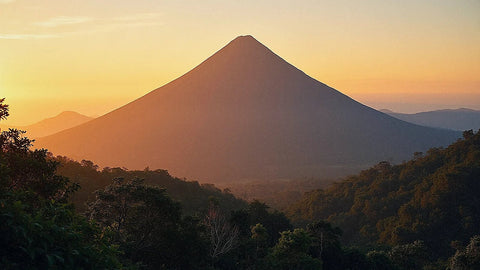
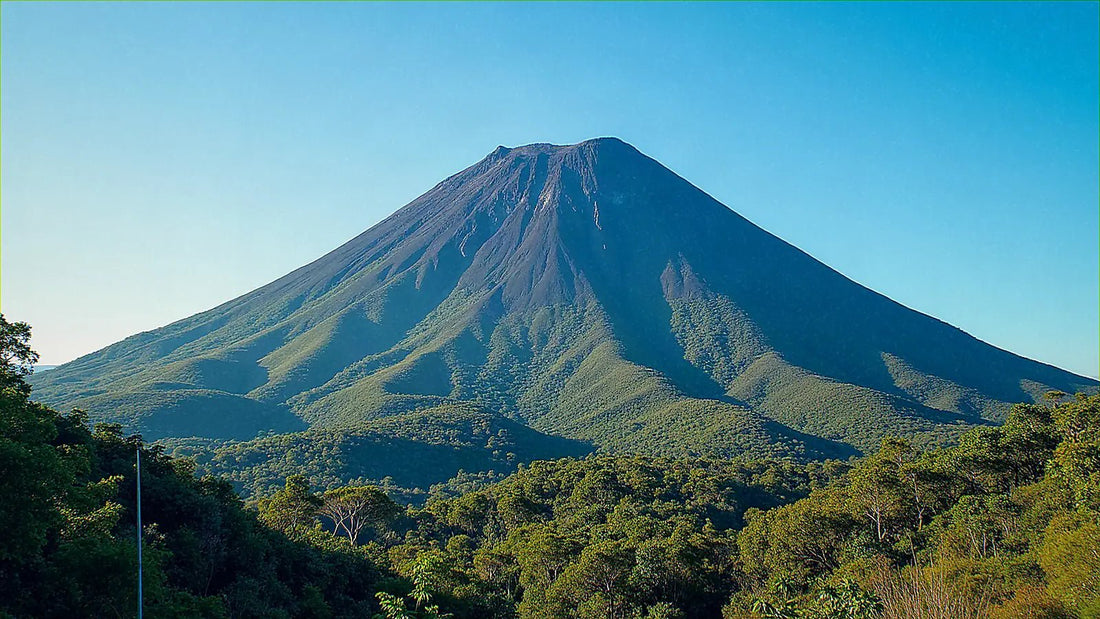
The city of Santa Ana has urban coverage comparable to the capital. Things change at altitude: at the base of the volcano (Ilamatepec) and on the trail towards Cerro Verde the signal usually stays acceptable, but as you gain altitude and move away from the antennas it's normal for it to become intermittent in some stretches. It's not a fault with your eSIM: it's antenna physics, it happens to any line, local or international.
Suchitoto, the east and less touristy areas
Suchitoto, with its colonial atmosphere beside Lake Suchitlán, maintains good coverage in the town. Towards the east, in cities like San Miguel or San Vicente, urban coverage is solid thanks to the three main operators, though on secondary roads and rural areas you can find stretches without signal, especially away from the Pan-American Highway.
How much data you need depending on your trip type
There's no magic figure that works for everyone: consumption depends on whether you're working remotely, whether you only use your phone for maps and messaging, or whether you're going to stream music and video all day. As a general guide and without committing to figures we can't verify by operator, here's how we usually see consumption organised according to travel profile:
| Duration | Usage profile | Approximate consumption |
|---|---|---|
| 5-7 days | Tourist: maps, messaging, occasional social media | Light to moderate use |
| 10-14 days | Backpacker: constant navigation, photos and videos, occasional streaming | Moderate to high use |
| 3-4 weeks | Digital nomad: video calls, email, daily remote work | High and constant use |
The product page shows the exact GB and days available, as well as the current price, which can vary; we recommend checking it directly there before buying rather than relying on figures you see elsewhere, including this article if some time has passed since it was published.
How to activate your eSIM before landing in El Salvador
The process is designed so you don't have to touch a thing during your trip except, at most, a switch:
- Buy the plan on purasim.com, choosing the GB and days that fit your itinerary.
- Install the profile by scanning the QR code you receive by email, ideally while connected to Wi-Fi at home before you leave.
- Keep the profile deactivated until the day of your flight, so no validity days are used up while you're still at home.
- Activate the eSIM when you land (or even earlier, while you're still on the tarmac) and turn on data roaming for the eSIM profile in your phone's settings.
- Check you have data by opening any app that uses the internet: if it loads, you're connected.
If it's your first time installing an eSIM, or if your phone already has another profile installed and you want to make sure you don't mess up the active lines, it's worth reviewing the step-by-step process in our guide on how to install an eSIM. And if you have questions about what exactly this type of card is and how it differs from a physical SIM, we explain it calmly in what data roaming is.
eSIM vs roaming vs local SIM in El Salvador
These are the three real options any traveler has when arriving in El Salvador, and each one involves a different trade-off between convenience, cost, and time:
| Option | Cost | Management | When it makes sense |
|---|---|---|---|
| Roaming with your usual carrier | Costs usually skyrocket outside your home region; check the current rate with your carrier | None, it just works | Very short trips where you prioritize zero setup |
| Local physical SIM | Low local cost, but varies depending on the point of sale | In-store process with passport, you lose your usual number while using it | Long stays and travelers who don't need to keep their main line active |
| PuraSIM eSIM | Cost known in advance, check the current plan price | Installed from home, activated on landing | Most trips: tourism, backpacking, remote work |
If you're still unsure between these options, there's a more detailed comparison with more examples and scenarios in eSIM vs roaming, which goes deeper into each case better than we can here.
Common mistakes and what almost no one tells you
These are the most frequent pitfalls among first-time visitors to El Salvador, and they're worth keeping in mind before you leave:
Thinking "El Salvador" is a single coverage zone
It's a small country in area, but with varied terrain: coast, central valley, and mountainous areas near Honduras and Guatemala. Coverage in San Salvador doesn't predict what you'll get on the Ruta de las Flores or on secondary roads toward the east. In mountain stretches there can be occasional dropouts, and that's not exclusive to any particular eSIM.
Not downloading offline maps before you leave
This is the most avoidable mistake of all. Google Maps and Maps.me let you download the map of El Salvador at a reasonable size. Do it over Wi-Fi at the hotel the night before a long route: if there's a stretch without coverage on the Ruta de las Flores or near a volcano, GPS will keep guiding you without relying on data.
Buying the eSIM and activating it too early
A common slip-up is activating the profile right after buying it, "just to have it ready." Plans usually start counting from the moment of activation, not from purchase, so only activate it when you're about to land or, at most, at the departure airport.
Not turning on data roaming for the eSIM profile
The eSIM can be properly installed and still not provide data if the "data roaming" switch for that specific profile is off in your phone's settings. It's different from your usual line's roaming: it's a specific setting for the eSIM line that's worth checking the first time.
Forgetting there are two official currencies
El Salvador has used the US dollar as its official currency for over two decades, alongside bitcoin since 2021. It doesn't directly affect your eSIM, but it's good to know for digital payments or currency exchange when you arrive: you won't need to change into colones, that's long gone.
Assuming the eSIM covers neighboring countries
If your route includes Guatemala or Honduras, keep in mind that an eSIM plan for El Salvador is designed for that country. If your itinerary crosses borders, check whether you need an additional plan before you leave, rather than finding out when you cross the land border.
If your flight has a long layover in the United States, a common route from Europe to El Salvador via Miami or Houston, keep in mind that your Salvadoran eSIM coverage doesn't cover that stopover. For those transit hours, check out a separate plan like eSIM for the United States.
Tips to save data and travel more worry-free
If you're tight on GB or traveling for several weeks, a few simple tricks help a lot: turn off automatic app updates, lower streaming quality outside of Wi-Fi, and activate your device's data saver mode. The full list, with practical examples, is in how to save data with eSIM while traveling. And if you're concerned about privacy when connecting to public Wi-Fi in hotels or cafés in San Salvador or the coast, especially for banking, avoid entering sensitive info on open networks and wait until your eSIM is active.
What if your next stop isn't El Salvador?
It's common to combine Central America with other routes in the same year. If your next trip takes you to South America, we have guides with the same level of detail in eSIM for Colombia: Medellín, Bogotá and Cartagena or eSIM for Peru and Machu Picchu.
Frequently asked questions
Does the eSIM work in El Zonte (Bitcoin Beach)?
Yes. El Zonte and the rest of the La Libertad coastline have reasonably good 4G coverage in the town center and along the coastal road, thanks to the strong presence of operators like Tigo in this area. It may weaken slightly on side streets away from the center, which is normal for any small coastal town.
How many GB do I need for a week in El Salvador?
For normal tourist use, with maps, messaging and social media, a light-to-moderate plan is usually enough for seven days. If you'll be doing a lot of video streaming or working remotely, better go up a tier on the product page before you leave.
Does the eSIM work on the Santa Ana volcano or at Cerro Verde?
At the base and along most of the trail, coverage is usually acceptable. As you gain altitude and move away from the city's antennas, it's normal for the signal to become intermittent or disappear in some sections, just like any local line would in the same area.
Are there internet restrictions in El Salvador?
No. Internet access is free and there are no widespread blocks on apps or social networks, unlike other countries in the region where it's worth checking this point before traveling.
Does the eSIM for El Salvador also work in Guatemala or Honduras?
No, a specific El Salvador plan is designed for coverage in that country. If your route crosses into neighboring countries, you'll need an additional plan for that leg of the trip — check your options before crossing the land border.
Do I need to unlock my phone to use an eSIM in El Salvador?
You need your phone to be eSIM-compatible and unlocked from any carrier lock — not "unlocked for El Salvador" specifically. It's the same requirement as using an eSIM in any other country.
Can I still receive calls and WhatsApp from my usual number while using the eSIM in El Salvador?
Yes. The data eSIM works alongside your home line: you'll still receive calls and SMS on your usual number (depending on your carrier's rates for incoming calls abroad) while mobile data runs through the Salvadoran eSIM profile, so WhatsApp, Telegram and other messaging apps work normally using that data.